


Amphotericin B solution 250 μg/mL in deionized water, 0.1 μm filtered, BioReagent, suitable
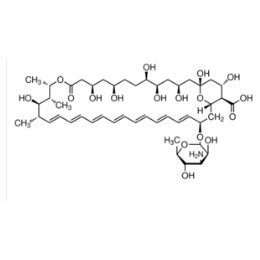
Amphotericin B is a macrocyclic lactone with a hydrophilic polyhydroxyl chain and a lipophilic polyene based hydrocarbon chain.[9]
Amphotericin B solution has been used:
• as an intraperitoneal injection for the treatment of Aspergillus fumigatus infection in mice[2]
• as a constituent of aspiration medium for the culture
of Chinese Merino ewe ovaries
• as a constituent of transport medium during the collection of equine corpora lutea[3]
• as a supplement in RPMI medium for the culture of the mouse-mouse B cell hybridoma
55-6 cell line[4]
Amphotericin B is a polyene antifungal antibiotic from Streptomyces sp. that is clinically used to treat systemic fungal infections.[1] It has a high affinity for sterols, especially ergosterols, of both fungal and bacterial cell membranes. Normal usage in maintenance of antifungal cell cultures is 2.5 mg/L with penicillin and streptomycin used in the medium.
Amphotericin B is most effective against fungi and yeast.[11] It forms transmembrane channels by binding to sterols associated with membranes, thereby leading to the leakage of small molecules.[11] Amphotericin B elicits toxicity despite being an effective antibiotic for treating mycoses.[7]
20,50,100ml
.jpg)